Please take a look at my latest TV interview…..
http://www.youtube.com/watch?v=M5PcMfsbe3Y
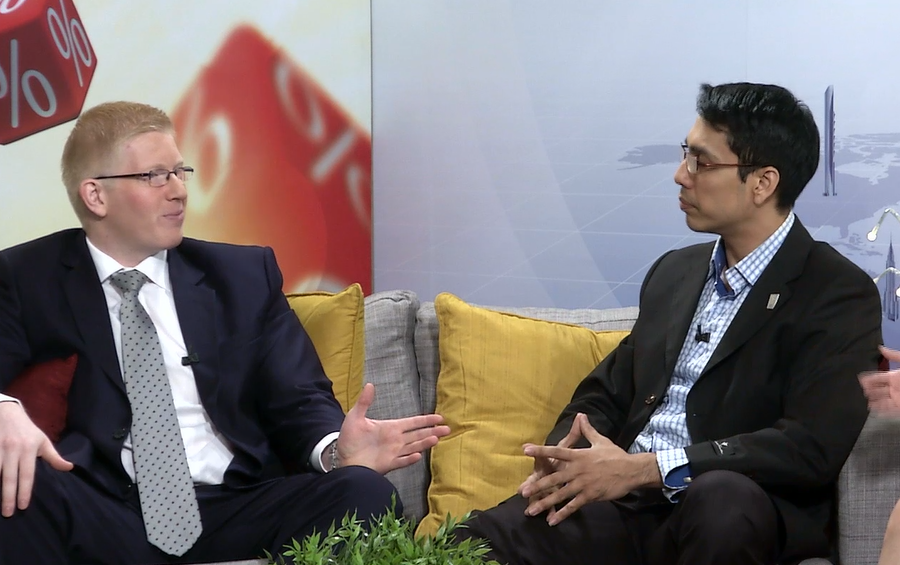
http://www.youtube.com/watch?v=M5PcMfsbe3Y
Please take a look at my latest TV interview…..
http://www.youtube.com/watch?v=M5PcMfsbe3Y
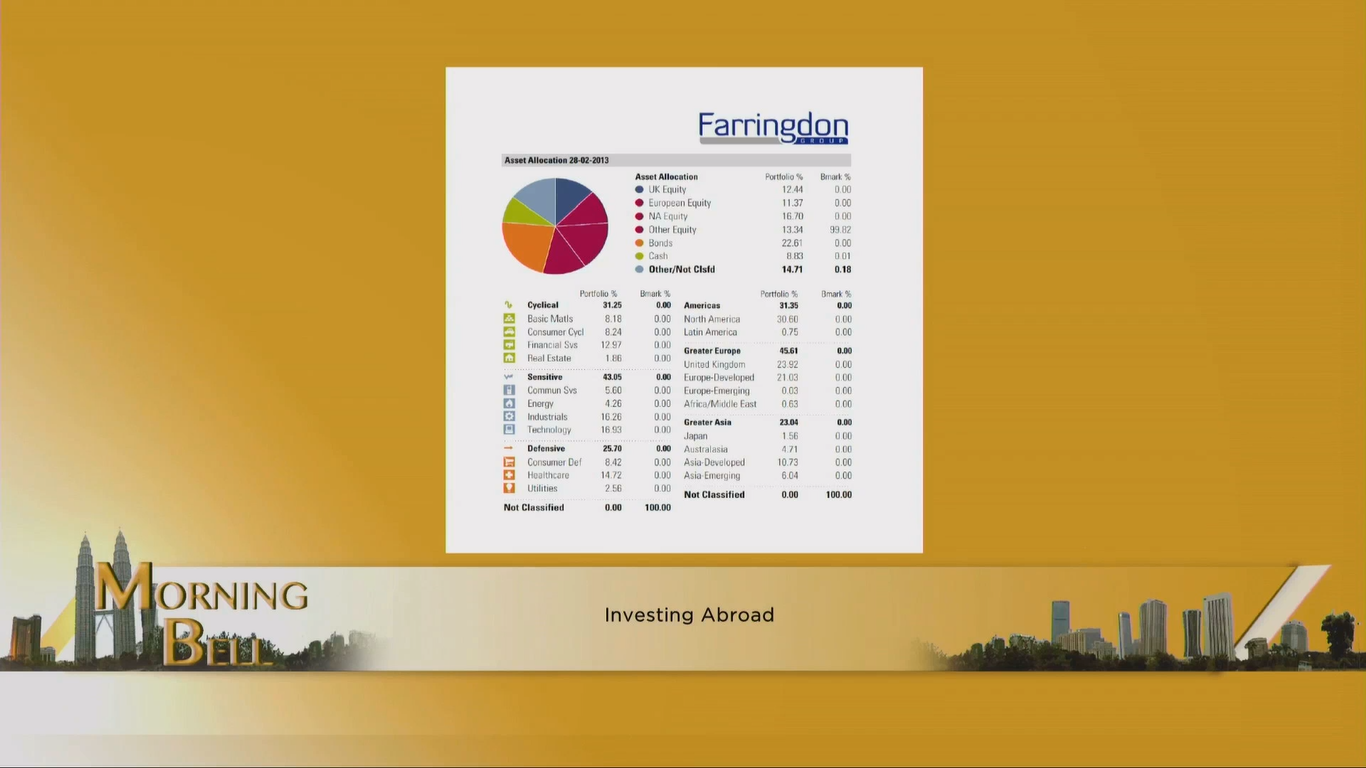
Please take a look at my latest TV interview…..
http://www.youtube.com/watch?v=rqfBhARro9Y&feature=youtu.be
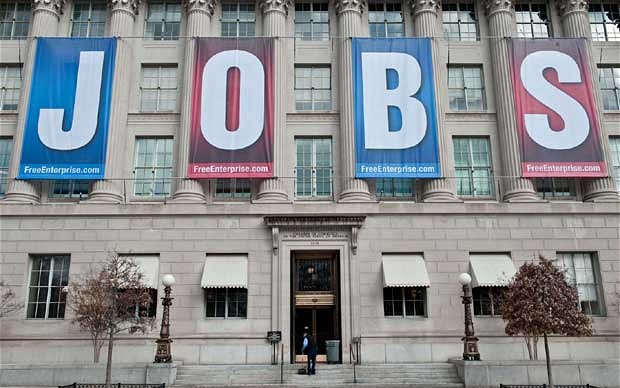
The US economy looks better placed to withstand a slowdown projected for the second quarter as the labour market keeps making progress. Employers took on an additional 165,000 workers in April, more than forecast, according to Labour Department data. Revisions showed 114,000 more workers were hired in February and March than previously estimated. The jobless rate fell to a four-year low of 7.5% last month.
Payrolls are now expanding at a faster pace this year than in 2012, which will help the US economy emerge from a softer period of growth projected for the second quarter. Stocks rallied after the report, sending the Dow Jones Industrial Average briefly above 15,000 for the first time.
Other reports this week showed auto sales and manufacturing cooled in April, indicating the expansion will slacken as consumers are pinched by higher taxes and factories rein in stockpiles and production. Nonetheless, the pickup in hiring means American companies are confident the world’s largest economy will overcome across-the-board federal budget cuts to rebound in the second half.
Economists project gross domestic product will cool to a 1.5% annualised pace for the period from April through June, after advancing at a rate of 2.5% in the previous three months, according to a Bloomberg survey from April 5th to April 9th.
The jobs report removed some of the worst concerns from the economic outlook. The Labour Department revised the March employment gain up to 138,000 from the initially estimated 88,000. February’s advance was pushed up to 332,000 from the 268,000 prior estimate, making it the strongest month for employment since November 2005, excluding the census-related temporary boost in government hiring in mid 2010.
The Bank of England will maintain its target for asset purchases next week after surveys indicated the recovery is gaining momentum, a survey of economists shows. The nine-member Monetary Policy Committee led by governor Mervyn King will keep the target for quantitative easing (QE) at £375bil (US$582bil), according to all but one of 44 economists in the Bloomberg News poll.
The MPC will also keep its benchmark interest rate at a record-low 0.5%, another survey shows. Services, the largest part of the economy, unexpectedly strengthened in April as new business rose, while manufacturing and construction shrank less than forecast, Markit Economics said this week.
Those reports followed data on April 25th showing that gross domestic product increased 0.3% in the first quarter, averting a third recession since 2008. “The encouraging outturn for the services index is
a hopeful sign that the recovery is now genuinely under way,” said Nida Ali, an economist at the Ernst & Young Item Club in London.
“Given the relatively strong run of economic indicators over the past few weeks, the chances of any additional QE being authorised this month now look slim.” The MPC will announce its decisions at noon on May 9 following its two-day meeting.
Policy makers will have new projections for economic growth and inflation, which they will publish in the quarterly Inflation Report on May 15. The MPC has split in recent months on the need for more QE, with King and two others pushing for a £25bil increase. While Chancellor of the Exchequer George Osborne gave policy makers more flexibility in March to support the recovery, the improving economic data may weaken the minority’s case.
The purchasing managers index for services rose to 52.9 in April, the highest in eight months, from 52.4 in March, Markit and the Chartered Institute of Purchasing and Supply said yesterday in London. Readings above 50 indicate expansion. The construction index increased to 49.4 from 47.2, while the manufacturing gauge advanced to 49.8 from 48.6.
I hope that you have enjoyed reading this post.
CEO
Kuala Lumpur : Malaysia
As recently as five years ago, the Islamic finance industry was still viewed by some as an infant industry. However, the industry has developed significantly in recent years to establish itself as a globally viable alternative to the conventional finance industry. Islamic finance is developing at a remarkable pace. Since its inception three decades ago, the number of Islamic financial institutions worldwide has risen from one in 1975 to over 300 today in more than 75 countries. In 2009, according to Standard & Poor’s Ratings Services, Shariah-compliant assets reached about $400 billion throughout the world. Three years later, in 2012, Islamic banks have $1.2 trillion in assets, an increase of 200% and the potential market is $4 trillion. This enables them to finance major infrastructure projects through direct financing or ‘sukuk’ (Islamic law compliant bonds).
What are the reasons behind the recent growth in Islamic finance? One is the strong demand from a large number of immigrant and non-immigrant Muslims for Sharia-compliant financial services and transactions. A second is growing oil wealth, with demand for suitable investments soaring in the Gulf region. And a third is the competitiveness of many of the products, attracting Muslim and non-Muslim investors.
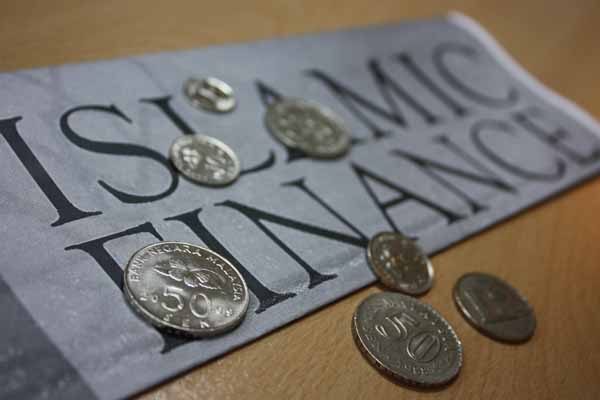
Islamic banking adheres to the principles of Sharia law, with the main characteristics being the prevention of applying interest on loans, and limiting excessive financial speculation. Due to these reasons, most of Islamic banks have been able to withstand the global financial crisis in 2008. The excessive use of structured debt and securitisation which drove unsustainable levels of financial leverage by the conventional banks is one of the causes of the financial crisis. The global economic crisis was also triggered by global imbalances and structural weaknesses that for the most part remain in place and still constitute a potential source of global economic risk. This would not happen under Islamic banking. The central concept in Islamic banking and finance is justice, which is achieved mainly through the sharing of risk rather than risk-transfer which is seen in conventional banking. Stakeholders are supposed to share profits and losses, and charging interest is prohibited. Islamic products are based on real transactions that involve the real economy.
However for Islamic finance to go forward, the industry still needs to overcome its biggest challenges, most importantly is developing a framework for governing, supervising, and regulating Islamic banks. Nevertheless, Islamic finance remains relevant today not only because of its religious aspects, but also as an alternative investments to investors.
I hope that you have enjoyed reading this post.
CEO
Kuala Lumpur : Malaysia
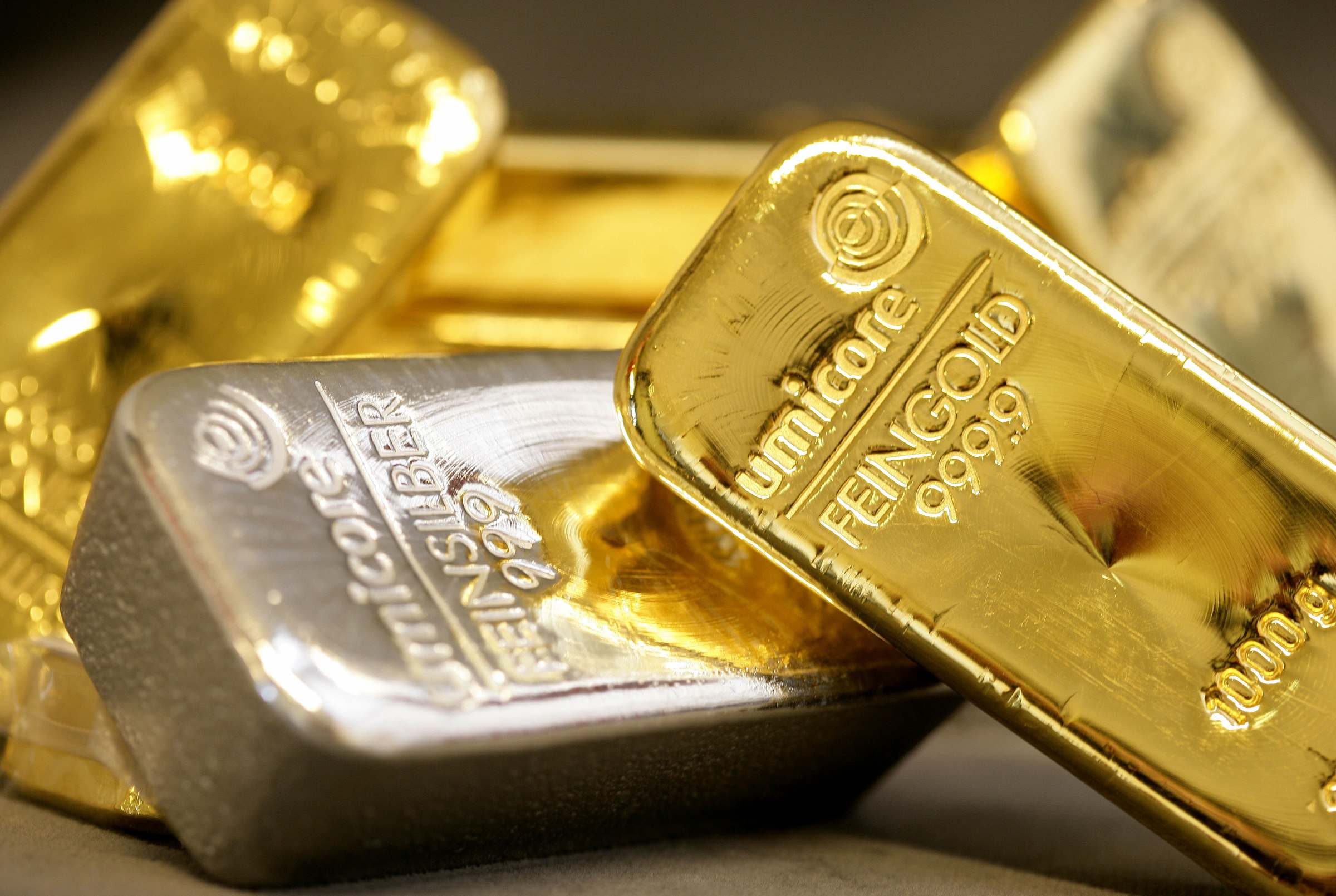
Over the years, gold and silver have been invested mainly to hedge against inflation, deflation or devaluation. Anytime there’s economic uncertainty and a risk of higher inflation, precious metals become increasingly popular because of their perceived safety and reputation as strong inflation hedges. However, nowadays, investors view these commodities as an alternative to investing in equities. The reason is not only because of their ability to withstand economic recession but the returns they generate. The question is, which of these metals are better to invest in?
For the first time in history, silver mines are coming up empty even as demand surges. Used in over 10,000 industrial applications, from microchips to microwaves, silver is an indispensable metal that’s exploding in value. In 1950, there are 10 billion ounces of silver in storage, which is equivalent to 140 months of supply. However, now, there are enough supplies to remain for only 20 months. In 2010, the demand for silver reached to 1,047.7 million ounces making it the largest demand in history. Experts predict that by 2015, global demand will increase 36%, from 487 million ounces in 2010, to 666 million ounces. After all, modern technology cannot exist without silver. Consumption of silver has grown so much and we have consumed much more than what we are mining from the ground. Global industrialization and technological advancements of society has come to the point where we have consumed most of the historical silver reserves mined from early civilizations (95% of the silver ever produced has already been consumed).
In the past 10 years, the price of gold has climbed more than fivefold from less than $300 to more than $1500 an ounce. Silver has actually done quite a bit better, rising from less than $5 to nearly $30 an ounce which is about sixfold price gain over the past decade. It has even reached its record high $50 in 2011. Silver is much more volatile than gold. The metal’s 100-day volatility trend is twice as high as gold’s. According to Bloomberg data, investment worldwide made through silver-backed exchange-traded products reached a record high of 18,854 tons in November, and holdings now are estimated to be around $19.2 billion. The growing investor sentiment is down to several factors.
The price of silver could be set to soar for several reasons. The big advantage of silver is it’s not mainly a store of value like gold. Besides offering an inflation hedge and helping to calm investors, silver has many applications in industry, medicine and dentistry thanks to its electrical and thermal conductivity, usefulness in making metal alloys and other unique properties. Commercial and industrial applications account for about 60% of silver demand each year which is more than half of its demand. This source of demand is expected to strengthen during the course of 2013, thanks in part to expectation that the re-election of the Obama administration will keep monetary policy loose in the US. With major economies such as the UK, eurozone, Japan and the US pumping money into their financial systems – in the form of quantitative easing in Britain and the expansion of the bond-buying program in the US – their currencies are being devalued, and investors increasingly turn to commodities, such as gold and silver, to offset this and to hedge political risks. With the US Fed’s quantitative easing actions, it’s worth noting that silver has risen with each QE instance: 53 percent for the first round, and 24 percent for the second.
Furthermore, while the United States and other Western economies have been struggling, China, India and many other emerging countries have been expanding by leaps and bounds. Their industries need lots of silver. Significant inflation isn’t here yet, but it could be on the way. China’s inflation has already risen and expected soar further this year. The US government has been printing billions of dollars to cover its huge debt, creating more new money in the past couple years than at any other time in U.S. history. This sets the stage for higher inflation by diluting the money supply and reducing the value of the dollar. The economy is at a crossroads of sorts: There are signs of recovery, yet conditions are ripe for inflation. In this situation, silver may be a better investment than gold because there are two sources of demand – investors and industry.
As a final point of fact, silver, which could one day get awfully close to the price of gold, remains very much a screaming buy.
I hope that you have enjoyed reading this post.
CEO
Kuala Lumpur : Malaysia
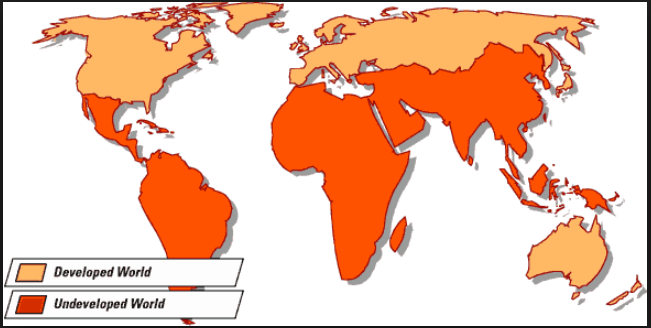
With the European debt crisis dragging on for its third year and sequestration never far from the front pages clearly demonstrating the fiscal management or lack of from America, it’s worth noting the financial health of the rest of the world is actually not that bad.
Far gone are the days when the developing world would be in the headlines for defaulting on payments and having countless debt crises. With Europe and the U.S going down painstaking paths at the moment, the developing world countries have been allowed to follow policies that have padded their citizens from the impact of the global slowdown.
In the Euro zone, gross external debt is worth about 125% of GDP, compare that to the developing world where the average external debt to GDP is 42% and less than one in three countries have a ratio that is over 50%.
With these lower initial debt levels, developing countries were able to weather the 2008 crises better and bounced back faster than advanced countries. And most recently due to the lower debt, higher reserve, credible bank leadership and stronger reserves – many developing countries have been able to increase spending and reduce interest rates to avoid shrinking their economies.
Hopefully this will continue, however they cannot be complacent and what’s going on in the Eurozone and U.S should be enough for the decision makers in these countries to take notice and not be complacent.
I hope that you have enjoyed reading this post.
CEO
Kuala Lumpur : Malaysia
 Stuart Yeomans