IFAs and their fee’s

I recently had the pleasure of being part of the panel debate, at the International Adviser Expert Investment Forum in Kuala Lumpur. The main discussion was on the future of the advisory industry and how fee’s should be levied.

Here is an extract from the article

“Stuart Yeomans, chief executive of the Farringdon Group, thought the Labuan Financial Services Authority was only taking “baby steps” to widen and strengthen regulation, and agreed that changes were being driven by the industry.  “I know there are a couple of companies that are taking a fee-based approach,” he said. “I think that’s a good thing for the industry.” Yeomans said he didn’t think LFSA was going to shake up the industry by insisting on fee-based remuneration soon. “Never say ‘never’, but I don’t think it’s going to happen, certainly in the next three to five years,” Yeomans said.”

20150408_Expert Investor Forum-0285-X3

We should not even need this type of discussion if firms were reasonable and open about their fees in the first place. The only reason this is in the limelight, is because of firms that take platform fees, trail fees and then bolt on hidden fund fees too; whereas in my opinion, it should be either or.

In addition to this, many firms feel that a 25 year plan, is the best and right advice for everyone they meet and not just a handful of individuals. I’m not saying a 25 year plan is not right for a 25 year old, but there are too many companies that sell this advice, to every person that they meet; whether they are 25 or 65!

To reiterate …..

  1. My first point is that a client should pay a fund fee upfront or a platform fee ongoing and not both
  2. The second issue is the up front fees from a regular premium contract

One of our unique selling points at Farringdon Group, is that we never take hidden fund fees and even when these were available, we would credit them back to the client.

These so called boutique funds, have harmed most IFA firms and more importantly the client. In my opinion, any fund that offer these hidden fee’s, should be steered clear from by every advisory firm. We have in the past used a handful, with no fee taken; but decided a couple of years ago, that we should not consider them at all, because they always end in the same way. We have even gone further and do not let any fund manager into our office, if they offer a hidden fee.

I know that we are not the only firm that have taken this stance and find it horrific that some firms only invite these type of fund manages in, so that they can earn more money from the client……these companies are the ones that give us all a bad name!

The decision to not use these funds was taken and has served us very well and we believe that Farringdon Group has one of the lowest change of broker rates in the industry. This is mainly due to the fact that we use transparent, daily liquid funds from the worlds biggest institutions.

If a client can ensure that the funds used have the following criteria:

  1. have over USD 1 Billion in their funds
  2. is 3 or 5 star rated by Morning Star
  3. is daily liquid/traded
  4. with no penalty on exit
  5. From a fund company that you have researched and understand the size of

Then they should rest well at night, knowing that their investments should be safe.

Being transparent with fees, is what we already do and it does not effect our business model, where a fee comes from……. an upfront option or an ongoing one, it simply does not matter and we can adapt to either.

Any consultancy firm that feel that they must hide their fees; is more than likely layering more charges and hence should be avoided.

One individual in the audience, at the panel debate, even stated that we should all hide our fees, because he does not want his clients to know how much he earns……..

This type of comment is worrying to say the very least!

Another fee issue, that I see every and every week, is for the longer term regular premium policies. A consultant can get paid a large sum of money up front for a plan, that can last up to 25 years or more and the client may not even know that IFA for more than 18 months!

In my opinion this type of fee, should be split over a number of years, so that the client is proactively managed and not forgot about after a short period of time. The difficulty is that, this can only be led by the regulator, product provider and broker agreeing to such.

This has already happened in multiple jurisdictions and I feel that this needs to happen globally, as soon as possible.

There are too many clients in this world, that think that they are in 18 month flexible plans, when in fact, they are in 25 year policy, which they no longer fund! Some of the worlds biggest firms have got to that size, because of miss-selling these policies or withholding information from their clients.

I have presented at many seminars globally and have teamed up with the likes of KPMG and CBRE to offer the insider knowledge, of what a client should be looking for. If you would like some additional information or feel that the above has happened to you, then please get in contact with me.

The full article can be found below.

http://www.international-adviser.com/news/1019436/malaysian-ifas-switch-fee-service-model-experts
Stuart Yeomans

CEO

Farringdon Group

Kuala Lumpur : Malaysia


The UK’s election result and what may happen to Inheritance Tax (IHT) and pension tax, after the Conservatives and David Cameron were successful?

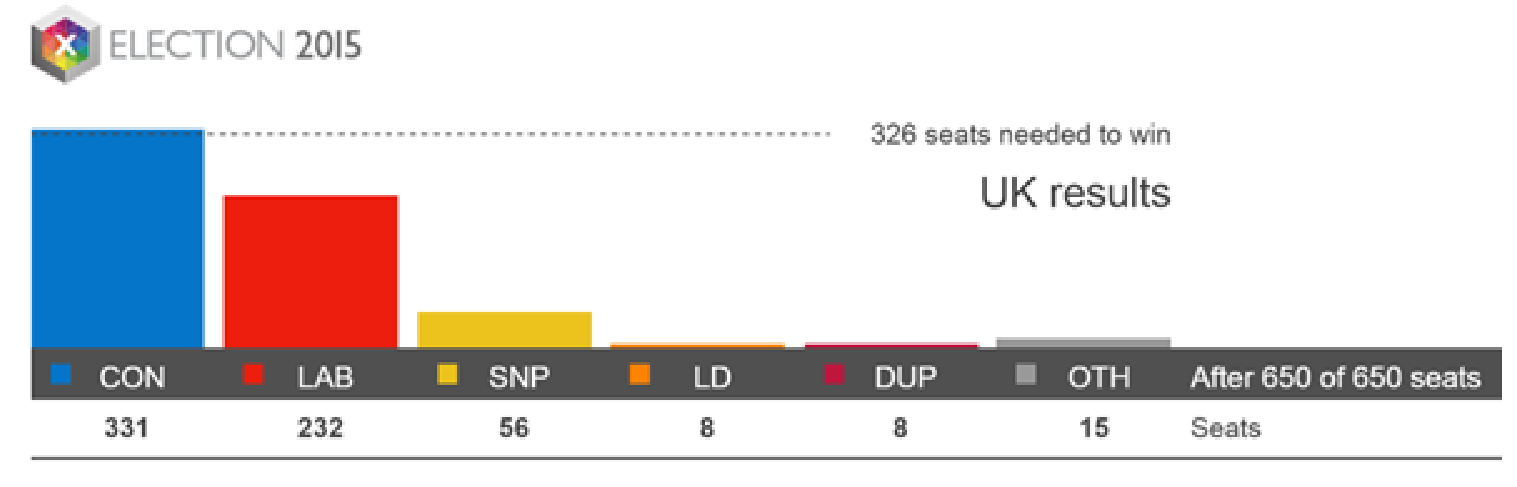
Most people including myself got the General Election wrong and the predicted hung parliament turned out to be an all Blue Conservative government.

elec


So what will this mean for pension and IHT planning?

One big change that will not materialise, is the plan to scrap the non-domiciled tax which was proposed by the Labour Party and I can’t see the Conservatives adopting this moving forward, so any planning for this area of non-domiciles is now null and void.

One of the most interesting results was across the Scottish and English border and all but three seats ended up going to the Scottish National Party. This in hindsight should have been expected; however, such a large swing was certainly the main result that got most people talking.


It will be interesting to see how those last three seats fair in the next general election? This result has reinvigorated Scottish nationalism and should in fact mean a revisit to a Scottish referendum; which many, including myself, see as being successful this time around.

In addition to this, a number of longstanding MP’s have now lost their seats and parliament will be brimming with fresh new and happy faces. This can only be seen as a positive, by the fact that MP’s holding seats for decades, can become too comfortable and a fresh view can be what is needed to improve the government.

Now that the election is over I feel that we can see a more aggressive movements to hit higher rate tax earners with assets inside the UK. But before we get onto this, let’s begin with some positives.

Cameron’s did pledge to increase the IHT threshold, but not by its usual figures seen below; it will be by allowing families to pass on their family homes, worth up to GBP1 million tax free! This slightly unusual increase is long overdue and below shows how the nil rate band has changed since the turn of the century.


FROM TO IHT THRESHOLD /NIL RATE BAND
6 April 2009 £325,000
6 April 2008 5 April 2009 £312,000
6 April 2007 5 April 2008 £300,000
6 April 2006 5 April 2007 £285,000
6 April 2005 5 April 2006 £275,000
6 April 2004 5 April 2005 £263,000
6 April 2003 5 April 2004 £255,000
6 April 2002 5 April 2003 £250,000
6 April 2001 5 April 2002 £242,000
6 April 2000 5 April 2001 £234,000


As you can see, the rates have not changed since 2009 and to allow a GMP1 million home to pass freely is a very attractive tax incentive indeed. So although the higher rate tax earners may be getting hit with more taxes, they will certainly be looking to take benefit from the above.

More positive news is the fact that the Conservatives have pledged to raise the 40% income tax threshold to GBP50,000 and to keep National Insurance contributions the same, along with the VAT rate. It is sometimes difficult to ascertain who to vote for, with regards to taxes, but the Conservatives really have promised a positive stance.

Now onto a negative for pensions…..


The Conservative Party had proposed restricting tax relief on pension contributions for those earning in excess of £150,000 a year.

Previously you could utilise your allowance from the previous three tax years and it will be interesting to see whether this will now be curbed moving forward. This is one area the wealthy get hit, however with the new IHT plan, I feel that they will accept this without too much pain.


So in my opinion, what’s next…..


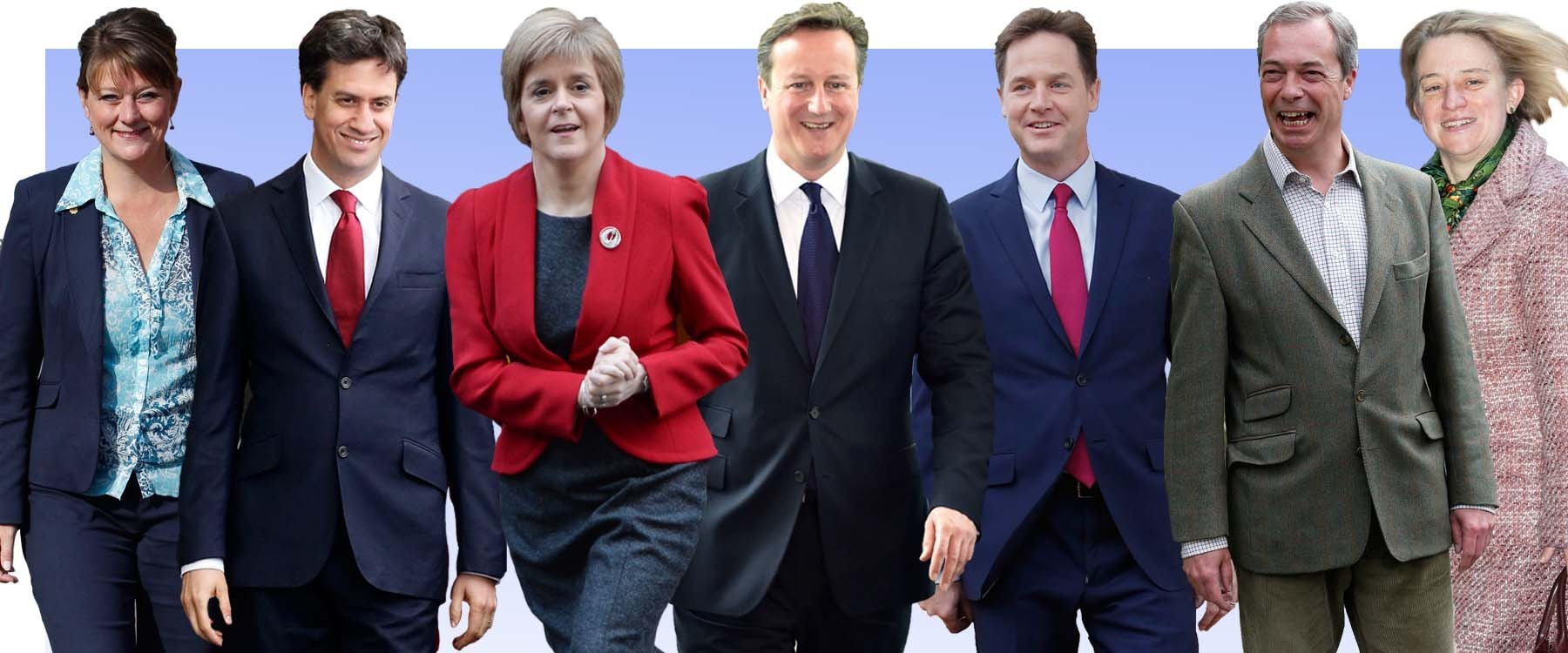
A referendum on staying within the EU is promised for 2017 and I personally don’t know which way this will go. There are positives and negatives on both sides of the fence and Nigel Farage has played a positive role in getting the Conservatives to address the immigration issue, which is what I feel most Brit’s have a grievance with. UKIP got the third highest votes, even though they only obtained one seat and these votes were mainly gained by the immigration issue that Britain has been deemed to have.

Angela Merkel has made it very clear that we can’t opt out of the freedom of movement act, but maybe the UK can opt out and take up a more Norwegian stance on this matter!

Norway are part of the economic area, but not part of the EU and in my opinion is the perfect model for Britain.


This will not happen for a couple of years, but could give rise to volatility and uncertainty in the GBP and its markets. This being said, many companies on the FTSE are global and should not be greatly affected by either result.


Facts and figures…..


There could be changes to the way the voting system is done in the future, again this is because of Nigel Farage’s UKIP, which had 3.86m votes for its one seat in Parliament, as opposed to SNP who had an average of 26,000 and the conservatives with 34,000. Labour had 40,000 and the Lib Dem’s 299,000.

An interesting fact is that 24.2% of the seats would be held by a different party if a proportional voting system were implemented. Even more worrying is that 63% of the total votes were for losing seats, hence a change in the system maybe warranted.


I hope that you have enjoyed reading this post.

Stuart Yeomans

CEO

Farringdon Group

Kuala Lumpur : Malaysia


Likely Outcome of UK General Election!!!

stuart yeomans - uk election

With Labour and Conservatives neck and neck in the polls, it seems likely that the UK will be headed for another coalition government very soon. The big question for the markets, is….

“What will this coalition government look like and what will be its impact on the UK economy?”

A Labour-SNP Outcome

On May the 7th the most probable outcome will be a Labour-SNP coalition. This result is likely to take the format of a Labour minority government, supported by SNP votes; rather than a formal coalition.

Many in the media have concerns of such a left wing government. However; from a market centric point of view, this effect is likely to be limited.  One concern is that utility companies may suffer, because they may have to undergo a 2 year price freeze. Beyond this, the economy may perform better for the next 5 years, simply because the SNP in particular are in favour of halting the austerity program and increasing government spending by 0.5% above inflation. If the private economy continues to expand at its present rate, this could lead to a substantial economic boost to the UK, over the next few years.

The long term consideration for the government is that, will it expand the economy quickly enough, so as to contain the UK’s deficit and mounting debt problems.

A Conservatives/ UKIP/Lib Dem and Ulster Unionist Outcome

With UKIP likely to get 2 MP’s and the Lib Dems 8, the only possible outcome would be Conservative led coalition, with the Ulster Unionists. Given the recent collapse in support for the Lib Dems and the fact that they have supported the current government; one would ask if the Lib Dems are prepared to support another conservative led government.

The big economic question is:

“Will the Conservatives, plan for a 2017 referendum on the UK’s position in Europe?”

Many companies have already threatened to move their HQ’s out of the UK and the vast majority of workers who were polled in the city, are also against a move. Currently public support to leave the EU is around 50.50. Two years of uncertainty running up to a referendum would undoubtedly hurt the UK economy.

In addition to the referendum, the other Conservative policy, which is likely to hurt the economy, would be Osborne’s plans for greater austerity. Contracting government spending by 5% of GDP, over the next 5 years, will certainly reduce the UK’s economic growth. It will also have a deflationary effect which may not be desirable given that the UK’s inflation is currently zero.

Investments

From an investment point of view; a Labour/SNP coalition, is likely to be better for the equity markets and a Conservative Government, is likely to be better for the bond market, this is due to fiscal contraction and effectively reduced inflation. However, all bets would be off, if the Conservatives announce a referendum on EU membership. If this is the case then it is probably best to avoid all sterling based assets for some time.

I hope that you have enjoyed reading this post.

Stuart Yeomans

CEO

Farringdon Group

Kuala Lumpur : Malaysia

Oil Price Volatility

stuart yeomans oil

After dramatic drops last week the oil price has rebounded strongly over the last few days. The principal driver of this is the military action Saudi Arabia began yesterday in Yeman. WTI has rebounded from a low of $42 a barrel to a high of nearly $52. In the near term Goldman Sachs predicts that oil may drop back into the low $40’s again however most analysts agree that oil is likely to move higher again before the end of the year.

Most oil producing economies require a higher oil price to sustain their government spending. At the extreme end of the scale Venezuela needs an oil price of $118 and Russia $108. Gulf nations like Saudi, Kuwait and the UAE have cash reserves that can get them through a lower oil price but even they need a price of $90 a barrel in the medium term to sustain their economies.

Current over supply in the oil market is around 2 million barrels a day or roughly 3% of global production. It is highly likely that major oil producers like OPEC and Russia will cut oil production to move prices higher as it is in their interest to do so. The big question is when this will happen. The Gulf nations are essentially playing a game of chicken right now with the rest of OPEC and Russia to see who will blink first.

In addition Saudi, Iran and Russia are all locked into the titanic struggle between Sunni and Shia Muslims and the battle for Syria. The low oil price hits Iran and Russia much harder than Saudi however the Saudi’s won’t want to see it there for too long. All eyes will be on the next OPEC meeting in July.

Our expectation is to see oil trading in the $70-$80 a barrel range by the start of next year. We feel the best strategy in the near term is to keep buying oil in the $40’s and hold through the volatility for now.

I hope that you have enjoyed reading this post.

Stuart Yeomans

CEO

Farringdon Group

Kuala Lumpur : Malaysia

Malaysian Regulators Steadily Stepping Up Their Controls

This week I  had an interview with the International Adviser on GST and Malaysia constant battle with regulation. As you guys know, one of my main aims over the last few years has been increasing the regulation in Malaysia for which Life Broker companies operate. It has been a slow process but we are getting there and the market has definitely improved over the last few years.

Arrival of Malaysian GST looms over KL financial market

Here is an extract from the interview.

Arrival of Malaysian GST looms over KL financial market

Malaysia is stepping up its regulation of financial advisers in line with changes sweeping many major markets worldwide, however it is the imminent arrival of a new goods and services tax (GST) that is likely to have the most immediate impact, according to industry experts.

On 1 April this year, Malaysia will replace the existing Sales and Services Tax with a new 6% GST, which will have a narrower and more specific list of exemptions for financial services than its nearby neighbour Singapore, according to a review by KPMG.
 
“In Singapore, financial services may be treated as zero-rated supplies if they are supplied to non-residents,” KPMG said. However, it said the transfer of securities or units in unit trusts traded in Malaysia, or insurance contracts relating to risks in Malaysia, may not escape the tax, even if supplied to an offshore person.
 
“We have had numerous meetings and seminars with regards to GST and thankfully it seems that the life brokers are zero rated; however I am uncertain what this means for life companies who are currently regulated under the LFSA (Labuan Financial Services Authority),” said Stuart Yeomans, chief executive of Farringdon Group, a Kuala Lumpur-based financial advisory firm. Zero-Rated Supply means goods and services sold by a company are free from GST.
 
Meanwhile Malaysian regulators are steadily stepping up their controls over financial advisers in a bid to raise standards and improve the quality of the market, and these are beginning to make life harder for small brokers, though they have yet to go as far as Singapore. 
 
“Regulation is slowly stepping up. The barriers to entry are getting a lot higher,” Yeomans said.
Thanks International Adviser for another good interview, I look forward to the next. For the full article, please visit http://www.international-adviser.com/news/asia/arrival-of-malysian-gst-looms-over-kl-market

I hope that you have enjoyed reading this post.

For other IA posts that include Stuart Yeomans, please go to http://www.international-adviser.com/news/asia/labuan-in-move-to-be-a-top-intl-insurance 

Stuart Yeomans

CEO

Farringdon Group

Kuala Lumpur : Malaysia


China’s New Dawn

Stuart Yeomans - CND.jpg-large

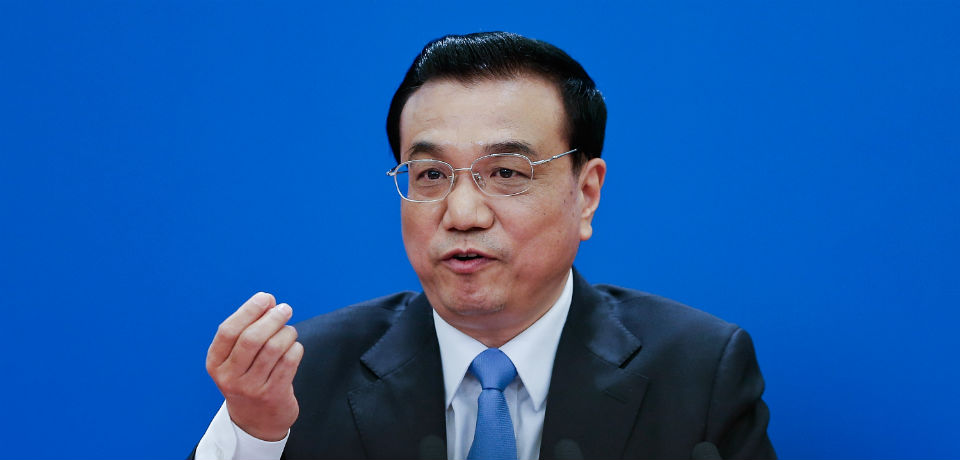
Last week at the official opening of Chinas annual parliamentary meeting, Premier Li Keqiang signalled that the lowest rate of growth in a quarter of a century is the “new normal” for the world’s second largest economy.

Last year China targeted a growth rate of 7.5% in GDP which it failed to meet. This in itself was a reduction from previous targets of 10% and well behind the years of almost 20% annual GDP growth. It now seems that gravity is catching the Chinese economy and forcing it to look at lower longer term growth.

This is not the first time this has happened in economic history. Many nations like Malaysia and Brazil managed to achieve long term double digit economic growth only to fall into what is known as the Middle Income Trap. Indeed, in history, only a few developing economies have ever managed to become advanced industrial economies. The Chinese leadership is now worried China will follow nations like Brazil and fail to break into the top level economies of the OECD.

Perhaps the biggest issue for international investors of China’s slowdown is its effect on the rest of the Asia region. To maintain high levels of growth after 2008 the Chinese government embarked on a massive spending program. Since 2008 The Chinese people and its government have created around $16 trillion dollars of debt. To put that into comparisons that is around the same size as the entire US financial system.

The effect of this extra spending boosted demand for raw materials, especially from Australia. In addition, money flowing out of China has boosted property prices right across Asia. Demand from China also helped sustain a number of Asian economies such as Singapore, Malaysia and Thailand.

As China slows it is likely to have a severe impact on Asian economies and currencies. In 2015 we should expect to see the Malaysian Ringgit and Australian dollar move much lower.  The Singapore dollar has held up for now but that too is soon likely to fall. Property prices in most parts of Asia and Australia are also likely to fall significantly.

To avoid any negative consequences it is likely to be better, for the time being at least, to look at US and UK assets. Both economies are doing well and both economies rely principally on internal consumer demand to support their GDP. As the Eurozone begins its QE program the Pound is likely to see a significant rise as Euro investors seek higher yields from within the EU.

I hope that you have enjoyed reading this post.

Stuart Yeomans

CEO

Farringdon Group

Kuala Lumpur : Malaysia