Both developed and emerging market equity had positive returns in August, following an increase in investor confidence. The idea that world’s largest economies are heading towards recovery was further strengthened by the sign of growth from the US economy. Markets were also led higher by the Federal Reserve’s (Fed) statement that it will do everything within its capacity to remain accommodative until economic data showed significant level of sustained improvement.
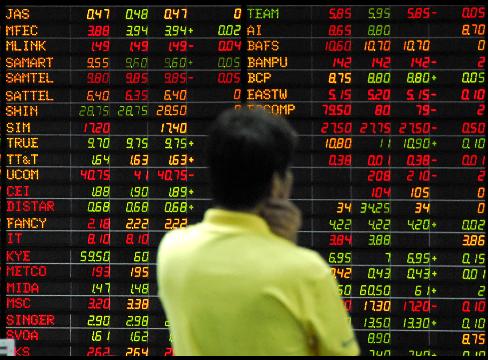
Despite the flat performance in Japan, most equity markets in Asia finished higher, with the Thai, Philippine and Indian equity markets leading the way within the region in local currency terms. Ongoing positive political developments in Thailand, following the coup in May, provided investors with comfort, while expectations that the Indian government will help boost growth supported its domestic equity market. China’s equity market, however, struggled to gain ground as the recent positive momentum of economic data started to wane.
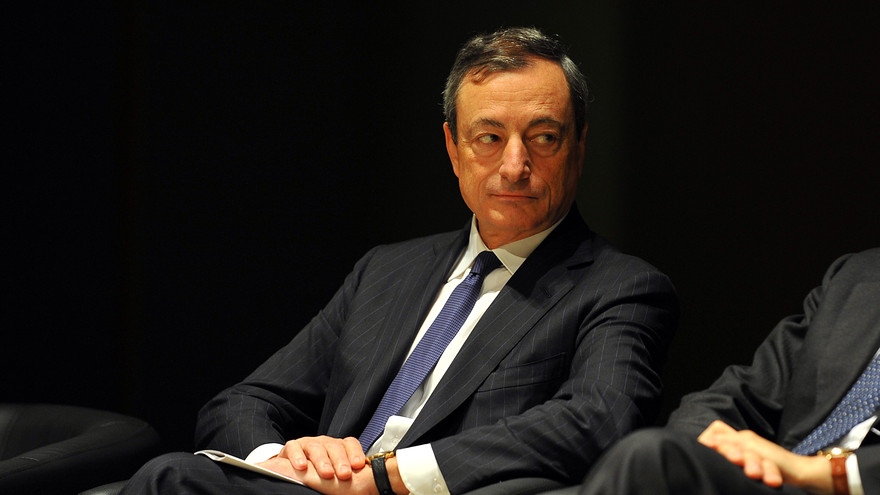
In the UK, the market rebounded from the weakness shown in July, as the low level of volatility recently witnessed within the equity markets continued to prevail. Economic data continues to be generally encouraging despite recently released data for June which was a little more disappointing than expected. European equity markets registered their first monthly gain since May. Market anxiety resulting from geopolitical tensions in Ukraine, and disappointing GDP figures, loomed over the region’s equity markets at the beginning of the month. However, statements made by Mario Draghi, President of the European Central Bank, that hinted at further measures to stimulate European economies and the potential announcement of a quantitative easing program, led to a strong market rebound.
Emerging equity markets continued to advance, with Latin America driving investment returns, particularly due to the strong gains witnessed by the Brazilian market. In emerging Asia, the Thai market was a strong performer together with Taiwan, as stock prices rallied, buoyed by good earnings results from the country’s technology companies. Performance in emerging Europe was mixed, however, as equity market weakness in Turkey and Russia was offset by strength in Czech Republic and Poland.
Within the fixed income markets, core government bonds globally experienced strong rallies, driven by a ‘flight to safety’ response to the geopolitical tension emanating from Ukraine and the Middle East. Weaker than expected economic data across many economies pointed to diminishing inflationary pressure, further increasing the attraction of fixed income assets. These broadly supportive factors overshadowed an uptick in hawkish sentiment within the Fed and the Bank of England, raising uncertainty about the likely timing of interest rate rises. Conversely, higher credit risk sectors of the market, such as high yield bonds, felt the negative impact of the fall in risk appetite and underperformed the wider market.

US equity markets rose steadily throughout the month of August and the S&P 500 index pushed through the 2,000 mark for the first time before closing up 4.0% (in US$ total return terms). This was the biggest monthly gain since February. Signs of growth boosted confidence that the world’s largest economy was recovering, with the Fed saying that it would do “whatever it took” to be accommodative until the data started to show significant improvements.
Investors shrugged off geopolitical fears for the most part, instead focusing on improving business fundamentals. Avago Technologies, which makes semiconductors used in smartphones, computer servers and other devices saw its share price surge to touch an all-time high after the company reported earnings that beat analysts’ estimates. Similarly, Splunk soared after the data management software developer also reported earnings that beat expectations. It also raised its full-year profit and revenue estimates.
More generally, strong company earnings and a string of corporate deal news contributed to the rally. Sector performance was led by typically defensive areas including utilities, health care and consumer staples. However, telecoms saw negative returns (-1.0% in US$ total return terms) and IT, materials and energy stocks lagged the broader index.
A gauge of consumer sentiment showed greater optimism in August. The rebound from the previous month’s dip was strongest among high income households, which reported more favourable trends in their income and wealth. The University of Michigan index of consumer sentiment rose to 82.5 in the final August reading and overall, continued to remain in the relatively tight range it has occupied throughout the year, consistent with the moderate growth in consumer spending that we have seen.
This has been supported by other US economic data. The Chicago Purchasing Managers Index rose to 64.3 in August, up from 52.6 in July, when it had fallen sharply after strong readings in the second quarter of 2014. The August rebound suggested that production in this region has been on a solid track in the third quarter of 2014 despite a soft July reading. The recent rise in new orders in the manufacturing sector has been driven by domestic activity while the non-manufacturing index posted its highest reading since 2005. The most recent ISM manufacturing index rose to 57.1 in July, the highest reading in three years. Overall export growth, however, is likely to stay modest.

European equity markets rose in August, registering their first monthly gain since May. Nervousness surrounded equity markets at the start of the month with the escalation of military conflict in Ukraine, disappointing Q2 Eurozone GDP figures and an inflation rate close to zero. Markets rebounded in the final half of the month, however, with investors regaining confidence following comments made by Mario Draghi. At a symposium in Jackson Hole, Wyoming, drawing central bankers from all over the world, Draghi stated that he is ready to use “all the available instruments needed to ensure price stability”, hinting to more stimulus measures by the ECB and the potential announcement of a quantitative easing program. The FTSE World Europe ex-UK index ended the month up by 2% (in EUR total return terms).
Just Apart from utilities and telecommunications, all industrial segments advanced in August. Health care companies registered the largest gain during the month, followed by consumer services and consumer goods. On a stock level, Dutch oil company SBM Offshore was the standout performer, amid progress in talks about an on-going litigation. Bank of Ireland was also among the leading performers, seeing its share price increase by about 14%, as it reported the first positive earnings since December 2011. The bank’s return to profitability, complemented by encouraging commentary from management on lending volumes, helped spur sentiment. Conversely, French telecom operator Iliad SA was the leading European detractor in August. Its share price fell 20% after an initial bid to acquire a majority share in T-Mobile US was rejected by the target company on valuation grounds. Iliad’s bid for acquisitions abroad raised concerns with some investors, who saw a lower likelihood of telecom company mergers in France than originally expected, and put into question the growth upside in the domestic business.
On the macro side, economic data remained mixed. Inflation in the Eurozone slowed further in August, from 0.5% to 0.3%, the weakest rate since October 2009; unemployment remained constant at 11.5%. GDP figures showed the German economy shrinking by 0.2% in the second quarter, France’s stagnating and Italy falling back into recession. Yet, fundamentals remain constructive. Lead indicators still point to expansion in the Eurozone, albeit at a slower rate. The fiscal drag in Europe has been significantly alleviated and the economic revival in some peripheral countries is still well on track. In Ireland, the Manufacturing Purchasing Manager’s Index reached 57.3 in August, the highest since September 2011. In Spain, latest total mortgage lending figures showed a growth of 13.2% year-on-year, up from a decline of -9.2% in the prior reading. Corporate earnings in Europe have also improved in Q2 and are set to grow in 2014, helped by a pick-up in global economic activity. Despite the latest headwinds, various economic forecasts still imply a strengthening of activity in the Eurozone going into 2015.

The FTSE All-Share index rebounded this month, against the background of low market volatility that has continued over recent months. Despite this lacklustre pattern, the quarterly trends of economic data are generally encouraging, although the recently released data for June has seen a bias to more disappointing news.
An analysis of the month’s primary sector price movements within the equity market shows that the technology hardware sector was amongst the better performers, whereas the mining and food & drug retailers were amongst the worst. From the group of larger companies, the best share price performance was ARM Holdings and the worst was Tesco.
Companies involved in noteworthy announcements included Tesco, Drax, Serco, BP and Legal & General. Tesco released a trading update in which it said that its profit for this year would be below its previous expectation and due to this shortfall the board anticipated that the interim dividend will be cut materially. Drax shares suffered after the UK Court of Appeal ruled that one of its power-generating units would not be eligible for a government contract that would have paid a guaranteed price for its electrical output over a number of years. Serco was in the news by default, in that it failed to submit certain criteria to enable it to bid for the Northern Rail train franchise. BP was thought to be at a disadvantage, through its stake in Rosneft, which as a Russian company, was at risk of sanctions being imposed by Western governments due to the military conflict in Ukraine. Legal & General released an interim management statement in which it reported a growth in its profits and a recommendation to increase the dividend by 21%.
On the macro front, CPI inflation fell to 1.6% in July from 1.9% in June. This fall was to a level below that of the consensus expectation and could be attributed to a fall in the rate of price inflation for clothing and food. Relatively cheaper consumer products should be helpful for the consumer. Their confidence can be gauged from the retail sales volume figures for July, which rose by 0.5% from the level in June and are now therefore 3.4% higher than a year ago. There is, however, a persistent constraint to higher levels of consumer spending and this comes from the continued weakness in wage growth. The rate of wage growth, excluding bonuses, fell to just 0.6% in June. This is the lowest rate of wage growth for many years and contrasts starkly with the rate of inflation for that same month of 1.9%. This low rate of wage growth has been used by The Bank of England as evidence of slack in the economy. Away from the consumer, industrial production figures for June were released that showed a monthly rise of 0.3% which was below the consensus of expectations. Related to industrial production are the UK’s trade figures. Data showed a widening of the trade deficit over Q2 to £6.9bn versus the smaller deficit of £5.5bn for Q1. This deficit has not been helped by the sluggish nature of exports which reflects the depressed state of much of the continental European economies.

It was another decent month for emerging equity markets as they continued their advance in August. Latin America was the best performing region, driven by strong gains being made by the Brazilian market. Mexico and Peru also performed well. Thailand was the best performing equity market in emerging Asia, on increased political stability following the coup in May. Stock prices in Taiwan also rallied, buoyed by good earnings results from the country’s technology companies. By contrast, China’s equity market struggled to gain ground after a spate of disappointing economic data. Performance in emerging Europe was mixed with weakness in Turkey and Russia being offset by strength in the Czech Republic and Poland. Apart from materials, all emerging market sectors were up on the month with healthcare and telecoms leading the gains.
Hopes of policy change in Brazil’s October 2014 presidential election and stronger economic momentum in Mexico were the main contributors for Latin America’s strong equity rally. A shift in presidential voting intentions was detected with the latest Datafolha poll (29th August) pointing to an election defeat for President Rousseff against Marina Silva. Political developments overshadowed negative news on the Brazilian economy as GDP data indicated the country entered a technical recession for the first half of this year. By contrast, the Mexican economy grew by a seasonally adjusted 4.2% year-on-year rate during the second quarter period of 2014, driven by industrial activities such as construction. President Nieto signed a package of laws that will serve as a rule book for comprehensive energy reform. Elsewhere in the region, Chile’s central bank cut interest rates by another 25 basis points to 3.5% and left the door open for a possible further reduction. However, interest rates were raised in Colombia in an attempt to withdraw monetary stimulus towards boosting the economy.
The threat of further Western sanctions and an escalation of fighting in east Ukraine dampened enthusiasm for Russian equities. Russia’s central bank widened the Rouble’s trading band, sending a clear signal that conflict in Ukraine will not derail plans to float the currency going into 2015. The central bank also promised to support domestic financial institutions hit by US & EU sanctions. Against an uncertain backdrop, Russian economic news held up well with healthy survey and good consumer data. Q2 earnings from Lukoil and Sberbank were strong with solid guidance. On the 30th August, the EU announced the Polish Prime Minister would be the next EU President. Turkey’s ruling Prime Minister Erdogan won the presidential election, securing 52% of the votes and extending his 12-year hold on power. Greece’s credit rating was raised two notches by Moody’s to Caa1, with the ratings agency citing an improvement to the government’s finances as a factor for the upgrade.
August was a positive month for Asian equity markets with most markets higher. In local currency terms the best performing markets were the Thai Stock Exchange and the Indian Sensex.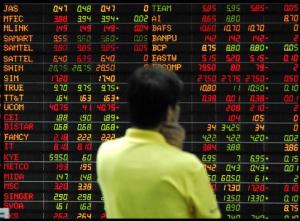
In China the recent positive momentum of economic data faded. After four consecutive months of gains, the preliminary HSBC manufacturing Purchasing Managers Index (PMI) data fell from July’s reading of 50.7 to 50.3 – a level that indicates a reduced level of expansion of the manufacturing sector. Aggregate financing fell to 237.1 billion with M2 money supply falling to 13.5%. The Chinese property market remains a key area of weakness in the economy. Government figures for July show that of the 70 major cities surveyed 64 new residential apartments experienced a decrease with existing residential prices lower in 65 cities.
The Thai stock exchange was the best performing index over the month as investors took comfort from ongoing positive political developments in the country and a strengthening of macro-economic data.
The market in the Philippines also provided investors with strong returns over the month with the Philippines Stock Exchange index gaining 2.7%1. A rebalancing of MSCI indices that saw the weightings of some Philippine stocks increase helped the index to rally higher. GDP growth for Q2 rose to 6.4% beating market expectations; however, the market seemed to ignore this and instead took the opportunity to take profits.
The Indian Sensex continued to make solid gains reaching further new highs by the end of the month. Expectations that the Indian government will help boost growth have helped to drive the index higher. GDP data released at the end of the month showed second quarter year-on-year economic growth of 5.7%, which beat market expectations.
In Indonesia Joko Widodo was confirmed as President following the Indonesian constitutional court’s rejection of a lawsuit filed by rival candidate Prabawo. The Indonesian equity market rallied on the news.
In Japan, the Topix was flat on the month, after falling initially on the back of geopolitical concerns the index rebounded into month end. Economic data released during August has continued to reflect the disruptive impact of the April tax hike. GDP for Q2 released over the month showed that the economy contracted at an annualised rate of 6.8%. This fall was, however, better than market expectations, which had expected a bigger drop.
Returns were positive for all major areas of the bond market in August, driven by a strong rally in core government bonds. Escalating conflict in Ukraine and the Middle East increased investor risk-aversion. Some weaker than expected economic data pointed to diminishing inflationary pressure, also increasing the attraction of fixed income assets.
These broadly supportive factors overshadowed an uptick in hawkish sentiment within the US Federal Reserve (Fed) and the Bank of England, raising uncertainty about the likely timing of interest rate rises. The minutes of the Fed’s July meeting showed more support for a “relatively prompt move toward reducing policy accommodation”. In August the Monetary Policy Committee of the Bank of England broke a run of 35 unanimous decisions, with two of the nine members voting for a 0.25% rise. Conversely, rhetoric from the European Central Bank has raised anticipation of further accommodative action there, possibly including outright quantitative easing, to seek to counter increasingly widespread signs of deflation.
While there is an increasingly clear bifurcation in the path of growth and interest rate expectations for the US and the UK on one side, and the Eurozone on the other, recent data has not put extra pressure on the Fed and the BoE to hike. While US consumer confidence and employment growth remain robust, in July CPI fell to 2.0% from 2.1% in June. The UK unemployment rate fell to 6.4% in June and July service sector PMI data was strong. But headline inflation fell from 1.8% in June to 1.6% in July and wage growth remains very low. In August, the Eurozone Economic Sentiment Indicator fell to its lowest level since December 2013. In Germany the ZEW survey of economic expectations hitting a 20-month low in August.
The 10 year Bund had another strong month, its yield closing August down 27bps at 0.89%. But this move was part of a wider rally for interest rate-sensitive assets. According to data from Merrill Lynch, Gilts had a total return of 3.5% for the month while Treasuries returned 1.2%, Bunds 1.9% and Spanish government bonds 2.3% (all returns in local currency terms). Corporate bonds were also boosted, with credit spreads little changed. Sterling investment grade corporate bonds returned 2.9%. Within investment grade, non-financials returned 3.4% compared to 2.2% for financials. Higher credit risk sectors of the market, such as high yield bonds, felt the negative impact of the fall in risk appetite and underperformed the wider market. European high yield bonds returned 0.6%
I hope that you have enjoyed reading this post.
Stuart Yeomans
CEO
Farringdon Group
Kuala Lumpur : Malaysia





 Stuart Yeomans